

1. MiniMax M3 powers autonomous visual coding agent
MiniMax said in an official X post: truly impressed by m3's visual coding Hermes Desktop Agent + Minimax M3 built the whole thing I didn't open a single TouchDesigner node for this. MiniMax is positioning M3 as an open-weights frontier model for coding, agentic work, long context, and native multimodal input. The real test is whether developers adopt M3 through APIs, cloud hosts, and coding workflows once the weights and technical report land.
Aitoolsfi Summary:Visual Autonomy: MiniMax M3 is shifting the paradigm by enabling end-to-end software development through direct visual interface manipulation.
Workflow Integration: The model bypasses traditional node-based coding environments by executing complex logic directly within the Hermes Desktop Agent framework.
Developer Velocity: This capability signals a move toward zero-touch development cycles where multimodal models replace manual configuration in specialized creative software.
Source: MiniMax
2. MiniMax M3 Voice Agent Enables Hands-Free iPhone Control
MiniMax said in an official X post: Way too funny,. Using M3 to control an iPhone through a voice agent powered by tung tung tung sahur And with Speech 2.8 voice cloning, you can create. Agent products are moving from demos into real workflows, making permissions, review loops, and accountability more important. Pending updates remain directional signals until official documentation, availability details, or independent confirmation arrive.
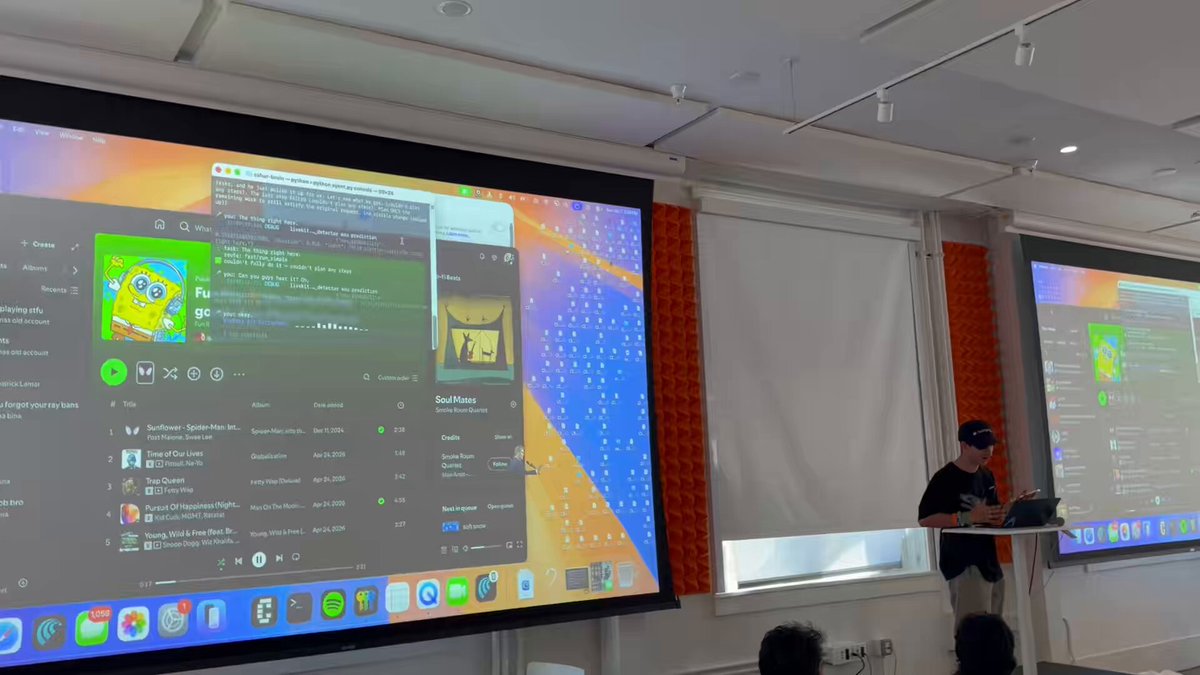
Aitoolsfi Summary:Direct Interaction: MiniMax is shifting voice models from passive assistants to active controllers capable of executing commands directly on iOS.
System Integration: The M3 model leverages Speech 2.8 voice cloning to bridge the gap between natural language processing and mobile interface navigation.
Interface Evolution: This capability signals a move toward hands-free device management that bypasses traditional touch-based UI constraints for power users.
Source: MiniMax
3. Hugging Face Simplifies Model Post-Training and Sharing
Hugging Face said in an official X post: Hugging Face Simplifies Model Post-Training and Sharing. Model availability, speed, and migration paths continue to change quickly across the AI stack. Pending updates remain directional signals until official documentation, availability details, or independent confirmation arrive.
Aitoolsfi Summary:Workflow Democratization: Hugging Face is stripping away technical friction to turn model post-training into a standard, frictionless publishing task.
Hub Integration: The platform now enables a continuous loop where developers train, refine, and deploy models directly within the existing hub infrastructure.
Hugging Face developer Velocity: This shift signals a broader industry move toward rapid, iterative model refinement over the traditional, slow-moving research release cycle.
Source: Hugging Face
Summary
MiniMax and Hugging Face show a market moving past novelty and into operational pressure. The most important AI updates now sit around deployment boundaries: who can access a model, which tools an agent can call, how performance is measured in real tasks, and whether the business case is strong enough to justify production use.