
1. OpenAI retires GPT-5.2, GPT-5.3-Codex from the Codex model lineup
OpenAI Developers said in an official X post: OpenAI retires GPT-5.2, GPT-5.3-Codex from the Codex model lineup. OpenAI is simplifying the Codex model surface, which matters for teams that need a clearer default and a cleaner migration path across coding workflows. The real test is whether the smaller lineup reduces confusion without pushing power users away from Codex or into the API for continuity.
Aitoolsfi Summary:Model surface: OpenAI is simplifying the Codex model lineup so coding workflows rely on a smaller and more explicit default setup.
Migration path: Keeping GPT-5.2 and GPT-5.3-Codex on the API while changing the Codex product surface separates product defaults from developer continuity.
Workflow default: Setting GPT-5.5 as the free-plan frontier default will shape how new users first experience agentic coding inside Codex.
Source: OpenAI Developers
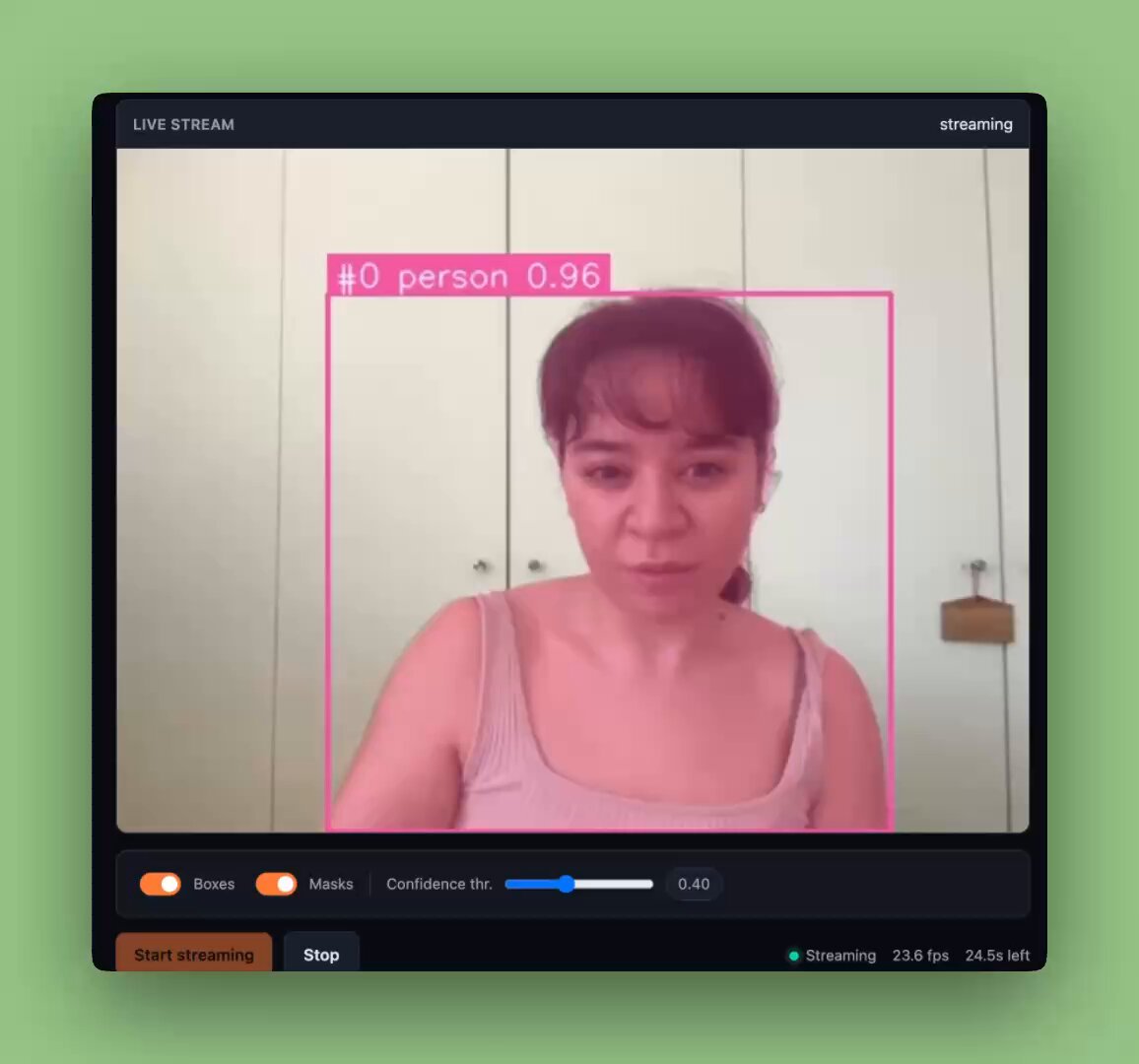
2. RF-DETR lands in Hugging Face Transformers for real-time object detection
Hugging Face said in an official X post: RF-DETR lands in Hugging Face Transformers for real-time object detection. Landing RF-DETR in Transformers makes real-time detection easier to test, fine-tune, and wire into agent or robotics workflows. The next signal is whether developers treat detection models like standard workflow components rather than standalone research demos.
Aitoolsfi Summary:Transformer access: RF-DETR entering Transformers makes advanced detection easier to try through a standard developer stack.
Agent-ready vision: Real-time detection matters when agents or robotics workflows need fast, grounded scene understanding instead of generic captions.
Adoption test: The stronger signal will be whether developers fine-tune and deploy it as workflow infrastructure rather than treat it as a showcase model.
Source: Hugging Face
3. Marlin-2B video VLM captions clips into timestamped events
Hugging Face said in an official X post: Marlin-2B video VLM captions clips into timestamped events. A compact video VLM focused on what happened and when points to more practical video search, moderation, and workflow automation use cases. The scene is expanding from content creation to operational video intelligence across search, moderation, and automation.

Aitoolsfi Summary:Video understanding: Video AI is moving from content generation into workflow-level understanding of events and timing.
Workflow expansion: A compact video VLM focused on what happened and when points to more practical video search, moderation, and workflow automation use cases.
Deployment test: The scene is expanding from content creation to operational video intelligence across search, moderation, and automation.
Source: Hugging Face
4. Nous Research adds Qwen3.7-Max support to Hermes Agent
Qwen said in an official X post: Nous Research adds Qwen3.7-Max support to Hermes Agent. New model support inside Hermes Agent expands the set of models developers can plug into existing agent loops without rebuilding their tooling stack. Compatibility wins matter most when they translate into better agent performance, lower cost, or easier workflow switching.

Aitoolsfi Summary:Model portability: Hermes Agent support gives developers another route to plug Qwen3.7-Max into existing agent workflows.
Framework leverage: Compatibility matters because agent builders often adopt the models that fit their current orchestration stack with the least friction.
Usage proof: The next signal is whether support turns into real preference for Qwen inside multi-model agent environments.
Source: Qwen
5. Pika previews Generative UI for voice-controlled agent layouts
Pika said in an official X post: Pika previews Generative UI for voice-controlled agent layouts. Pika's Generative UI experiment treats interface layout as something an agent can compose on the fly instead of choosing from fixed templates. This becomes meaningful if adaptive interfaces improve task completion and not just the visual novelty of agent responses.

Aitoolsfi Summary:Adaptive layout: Pika's Generative UI treats the interface itself as something an agent can compose dynamically from context.
Voice-driven control: A voice-led interface changes the interaction model from clicking fixed controls to steering an agent that decides presentation in real time.
Product test: The real question is whether adaptive UI improves task completion and usability, not just the novelty of the visual output.
Source: Pika
6. Pika publishes Generative UI experiment on GitHub with MCP support
Pika said in an official X post: We’ve put it up on GitHub for the curious to try. Make sure you have the Pika MCP, then give it a go and let us know what you think. Pika's MCP access makes video generation callable from agent and editor workflows rather than only from a standalone creative interface. Creative AI is moving toward toolchain integration where agents can create media as part of broader production workflows.
Aitoolsfi Summary:Video as tool: Pika's MCP move makes video generation available as a callable capability inside broader agent workflows.
Editor bridge: MCP access can connect creative generation with editors, automations, and agent-driven production pipelines.
Workflow shift: Creative AI is moving from standalone prompt boxes toward integrated media operations.
Source: Pika
7. OpenAI details self-improving tax agents built with Codex, Thrive, and Crete
OpenAI published an update: OpenAI details self-improving tax agents built with Codex, Thrive, and Crete. The Codex tax-agent case pushes AI beyond assistance into regulated workflow execution where accuracy, review, and iteration directly affect business outcomes. Highly structured business domains will reveal quickly whether agent systems can sustain accuracy once they leave controlled demos and enter live operations.
Aitoolsfi Summary:Regulated workflow: The tax-agent case puts Codex into a domain where structured rules, review, and auditability matter more than demo flair.
Business automation: Automating filings and feedback loops shows how agents can be aimed at repeatable back-office work with measurable operational value.
Accuracy test: Regulated workflows are a tougher proving ground because even small errors can carry financial or compliance consequences.
Source: OpenAI
8. YouTube adds automatic labels for significant photorealistic AI videos
TechCrunch reports: YouTube adds automatic labels for significant photorealistic AI videos. Automatic AI labels on YouTube shift synthetic-media disclosure from creator discretion toward platform-level detection and enforcement. The policy significance will depend on how consistent the labels are and whether other major platforms adopt similar disclosure systems.

Aitoolsfi Summary:Platform labeling: YouTube is moving AI disclosure from creator self-reporting toward platform-level labeling and visibility.
Enforcement layer: Automatic labels matter because synthetic-media policy becomes more credible when detection and display are built into the platform itself.
Disclosure standard: If the approach sticks, video platforms may converge on stronger disclosure norms for realistic AI-generated content.
Source: TechCrunch
Summary
OpenAI, Hugging Face, Qwen, and Pika show a market moving past novelty and into operational pressure. The most important AI updates now sit around deployment boundaries: who can access a model, which tools an agent can call, how performance is measured in real tasks, and whether the business case is strong enough to justify production use.