
1. Pika Launches MCP Integration for AI Agent Video Creation
Pika said in an official X post: Try it now on the PikaMCP, and trigger with /vfx pika.art/mcp Link Pika MCP - Make Your Agent Creative Connect Pika MCP to Codex, Claude Code, Hermes, OpenClaw, and other MCP-compatible. Pika's MCP access makes video generation callable from agent and editor workflows rather than only from a standalone creative interface. Creative AI is moving toward toolchain integration where agents can create media as part of broader production workflows.
Aitoolsfi Summary:Video Capability: Pika is transitioning from a standalone creative tool into a functional module for automated media generation.
MCP Integration: The new interface allows developers to trigger Pika video generation directly through Claude Code, Hermes, and other compatible environments.
Production Evolution: Creative workflows are shifting away from manual prompting toward programmatic media assembly within existing technical development stacks.
Source: Pika
2. OpenAI Updates GPT-5.6 With Enhanced Artifact Integration
OpenAI said in an official X post: GPT‑5.6 improves artifact quality across presentations, documents, and spreadsheets, and works better with your templates. These editable artifacts can be exported to the tools. Model availability, speed, and migration paths continue to change quickly across the AI stack. Pending updates remain directional signals until official documentation, availability details, or independent confirmation arrive.
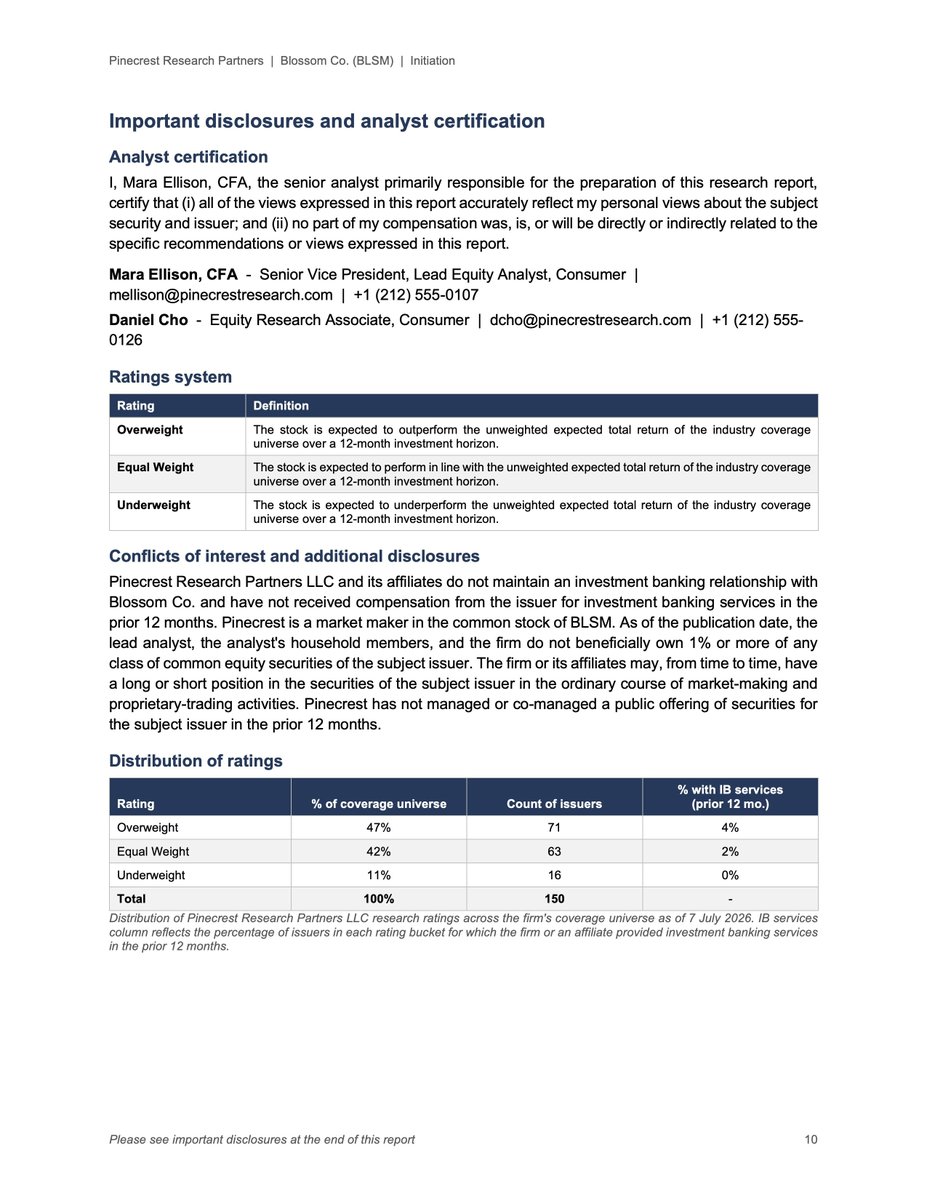
Aitoolsfi Summary:Workflow Integration: OpenAI is shifting focus from raw model performance toward seamless interoperability between generated content and external productivity software.
Artifact Portability: The update introduces native export paths that allow users to move structured documents and spreadsheets directly into professional editing environments.
Ecosystem Friction: This move signals a trend toward models acting as primary content engines that feed directly into established enterprise software suites.
Source: OpenAI
3. OpenAI GPT-4o-Sol Sets New Coding Agent Performance Record
OpenAI said in an official X post: On the Artificial Analysis Coding Agent Index, GPT‑5.6 Sol sets a new state of the art at 80.0—2.8 points above Claude Fable 5—while using less than half the output tokens, taking less. Model availability, speed, and migration paths continue to change quickly across the AI stack. Pending updates remain directional signals until official documentation, availability details, or independent confirmation arrive.
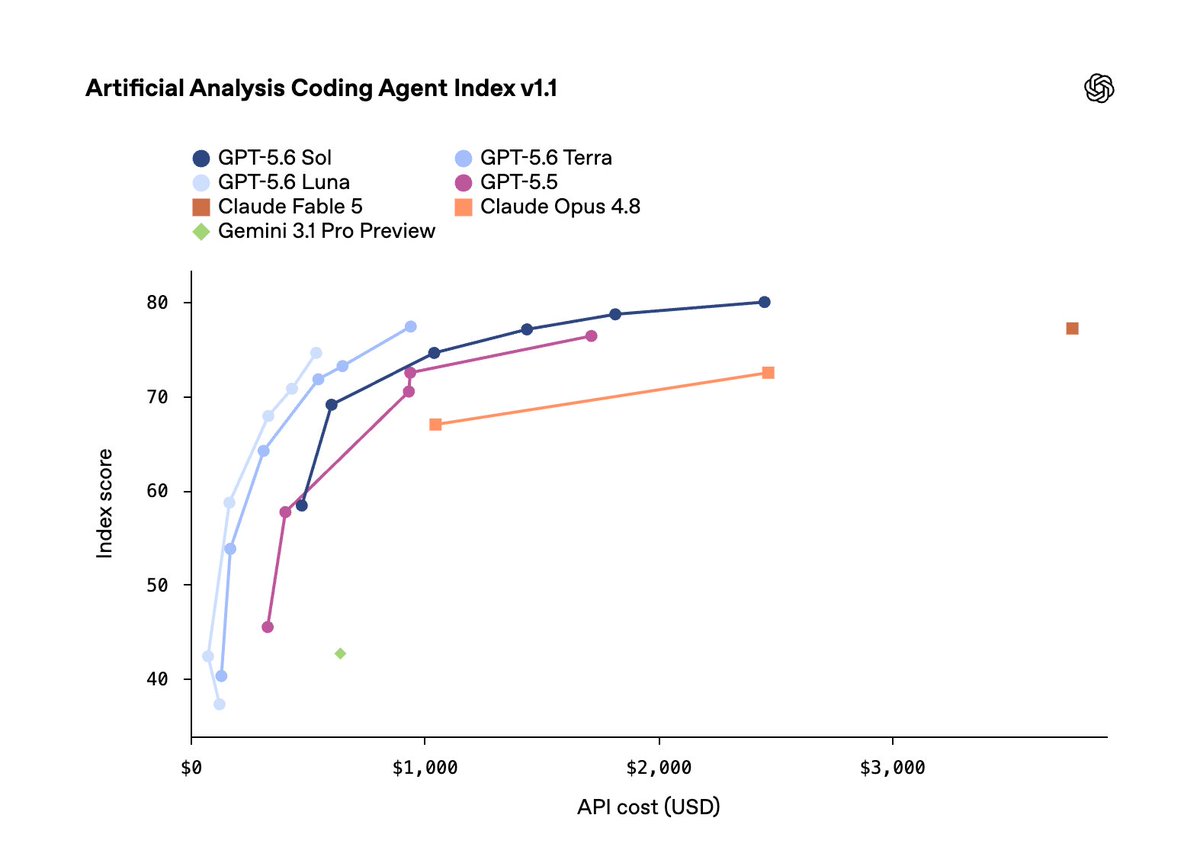
Aitoolsfi Summary:Performance Benchmark: OpenAI’s GPT-4o-Sol establishes a new efficiency standard by outperforming existing coding models while drastically reducing token consumption.
Efficiency Gains: The model achieves superior coding results by optimizing output density, effectively cutting the computational overhead required for complex software tasks.
Market Validation: This performance leap forces a shift in developer expectations, prioritizing models that deliver high-fidelity code with lower latency and reduced operational costs.
Source: OpenAI
4. Meta Launches Muse Spark 1.1 and New Model API
Meta AI said in an official X post: We’re excited to introduce Muse Spark 1.1, a significant upgrade from the first Muse Spark model we released earlier this year. Along with this release, we are launching a public preview. Meta's subscription rollout shows major consumer platforms testing how AI features can fit into paid bundles for creators, businesses, and everyday users. AI is becoming a packaging lever inside broader social, creator, and business subscriptions rather than only a standalone product.
Aitoolsfi Summary:Model Iteration: Meta is accelerating its creative tool pipeline by pushing Muse Spark 1.1 into public preview to capture early user feedback.
API Integration: The new public API enables developers to embed Meta’s generative visual capabilities directly into third-party creative workflows and applications.
Platform Expansion: Meta is shifting from standalone research models to integrated infrastructure that embeds generative capabilities deep within its massive social ecosystem.
Source: Meta AI
5. Meta Launches Muse Spark 1.1 and Meta Model API
Meta AI said in an official X post: Meta Launches Muse Spark 1.1 and Meta Model API. Meta's subscription rollout shows major consumer platforms testing how AI features can fit into paid bundles for creators, businesses, and everyday users. AI is becoming a packaging lever inside broader social, creator, and business subscriptions rather than only a standalone product.
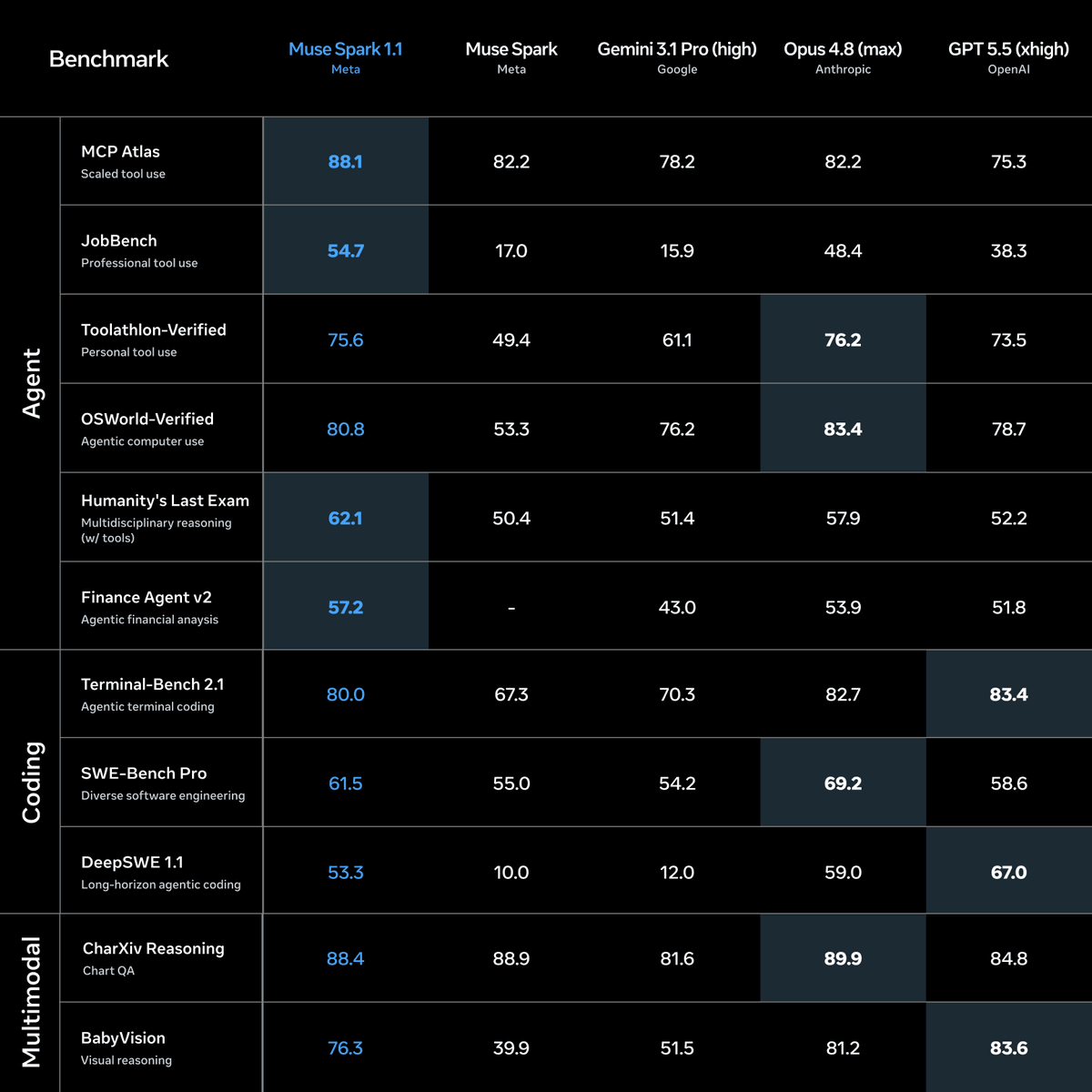
Aitoolsfi Summary:Model Capability Expansion: Meta is aggressively pushing its frontier models into complex task automation by upgrading Muse Spark with advanced coding and multimodal reasoning.
API Infrastructure: The new Meta Model API provides a direct pipeline for developers to integrate these high-performance capabilities into third-party applications and services.
Ecosystem Integration: Meta is shifting toward a platform-first strategy where proprietary model access serves as the primary engine for its expanding software ecosystem.
Source: Meta AI
6. MiniMax Rejects Open Source Trend for Future Frontier Models
MiniMax said in an official X post: At least for MiniMax, we will keep release frontier open weight Model τop τick crypτo From Dylan Patel @ semianalysis "There are multiple Chinese model labs who are. Model availability, speed, and migration paths continue to change quickly across the AI stack. Pending updates remain directional signals until official documentation, availability details, or independent confirmation arrive.
Aitoolsfi Summary:Closed Strategy: MiniMax is pivoting away from open-weight releases to maintain tighter control over its most advanced frontier model architectures.
Proprietary Shift: The company will restrict access to its top-tier models, moving toward a closed-API ecosystem similar to major Western labs.
Market Divergence: This move signals a growing divide in the Chinese AI landscape between labs prioritizing open-source adoption and those pursuing exclusive commercial moats.
Source: MiniMax
7. Netflix Releases Video Datasets and Models on Hugging Face
Hugging Face said in an official X post: Very cool to see releasing video datasets and models on. They have a strong video AI team and would be amazing to see them open-source more!. Model availability, speed, and migration paths continue to change quickly across the AI stack. Pending updates remain directional signals until official documentation, availability details, or independent confirmation arrive.

Aitoolsfi Summary:Content Strategy: Netflix is shifting toward open-source contributions by hosting proprietary video datasets and models on Hugging Face.
Hugging Face ecosystem Integration: The move signals a transition for the streaming giant to leverage community-driven infrastructure for its internal video AI research.
Industry Precedent: Wider adoption of this model could force major media houses to standardize their internal research tools within public developer ecosystems.
Source: Hugging Face
8. MiniMax Launches AdaL Engineer for Task-Specific Model Routing
MiniMax said in an official X post: AdaL Engineer doesn’t just use one model for every part of the loop: the repeated cycle of planning, building, testing, and improving. Rather, it routes each stage to the model best. MiniMax is positioning M3 as an open-weights frontier model for coding, agentic work, long context, and native multimodal input. The real test is whether developers adopt M3 through APIs, cloud hosts, and coding workflows once the weights and technical report land.
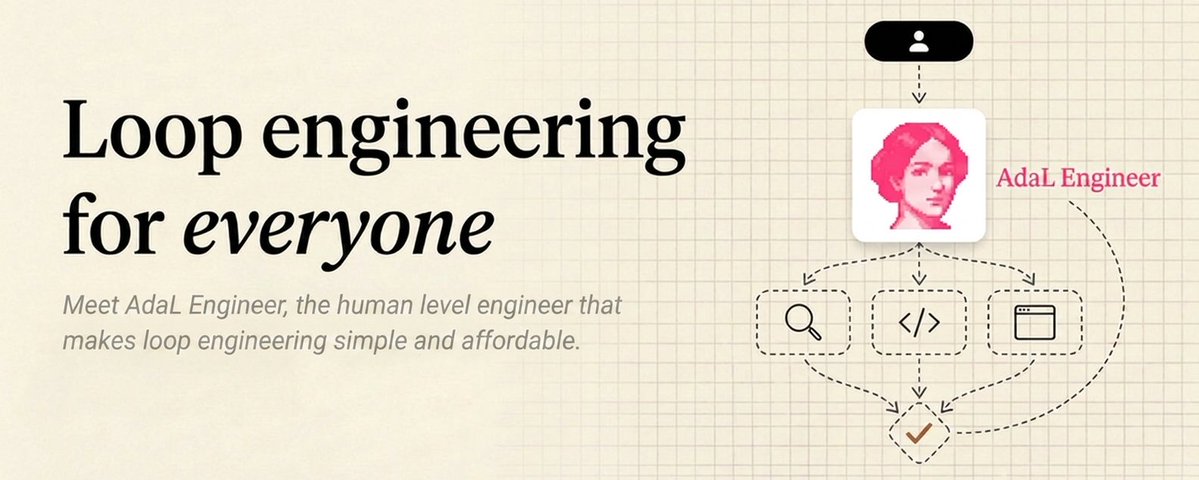
Aitoolsfi Summary:Modular Routing: MiniMax is shifting away from monolithic model reliance by delegating distinct development phases to specialized model architectures.
Workflow Orchestration: AdaL Engineer dynamically assigns planning, coding, and testing tasks to the most efficient model for each specific step in the loop.
MiniMax efficiency Gains: This granular routing strategy signals a move toward optimized, multi-model pipelines that prioritize performance over single-model versatility.
Source: MiniMax
Summary
Pika, OpenAI, Meta, and MiniMax show a market moving past novelty and into operational pressure. The most important AI updates now sit around deployment boundaries: who can access a model, which tools an agent can call, how performance is measured in real tasks, and whether the business case is strong enough to justify production use.